About University of Nigeria


From the Vice Chancellor

From the Vice Chancellor

This website serves to provide an overview of our activities at UNN. The University of Nigeria was founded in 1960 by Dr Nnamdi Azikiwe, an African legend, who was also Nigeria’s first president. The founding of the university in 1960 - the same year Nigeria gained political independence - was informed by the need to produce the highly skilled men and women that will fulfill the manpower needs of the newly independent Nigerian state. This unique circumstance of our birth as an institution informed the choice of our motto – to restore the dignity of man.

Thus, since inception UNN has strived to be in the forefront of manpower training as well as research and development in the country. In doing so we stay conscious of the mission chosen for us by our founding fathers, which is to seek truth, teach truth and preserve truth. UNN has a tradition of excellence for which the institution is known within and outside the country. This excellence is seen in our preference for distinguished academics as faculty members, the state of infrastructure for teaching and learning, curriculum content and research output. These are derived in part from the numerous academic partnerships, exchange programmes and research collaborations we have established with institutions in different parts of the world.

Our students are offered a broad-based and balanced education that prepares them for leadership positions, while our rapidly evolving curriculum also equips our graduates with entrepreneurial skills that enable them become employers of labour. The unique learning environment in the campuses, which are mostly residential, provides the students a great opportunity to study in a multi-cultural environment while being involved in a wide range of social and extracurricular activities.

As a reflection of the quality of learning offered at UNN, our graduates continue to excel in all national professional examinations in fields of law, medicine, accountancy, etc. Such excellence is often repeated in the diaspora, where our alumni shine bright as postgraduate students, employees or entrepreneurs. Many of our alumni also grow to become captains of industry even in the diaspora.

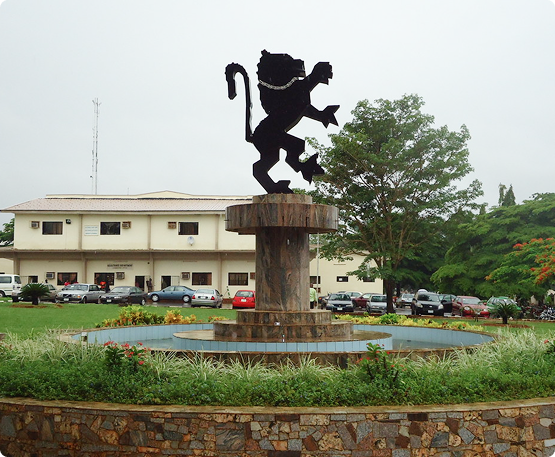
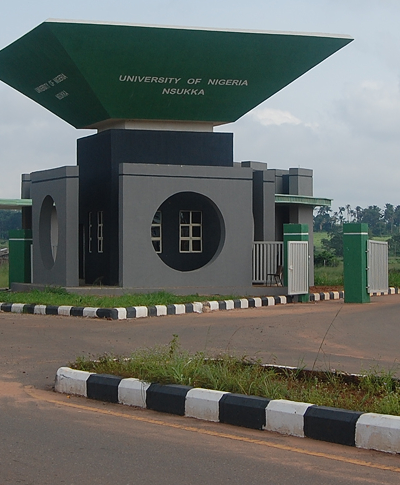
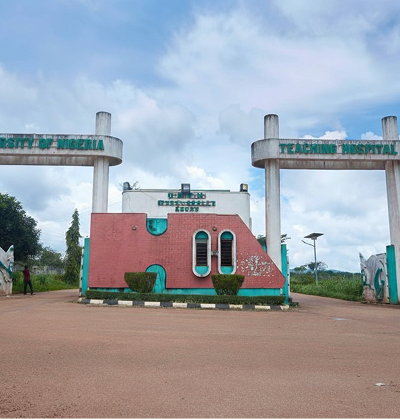
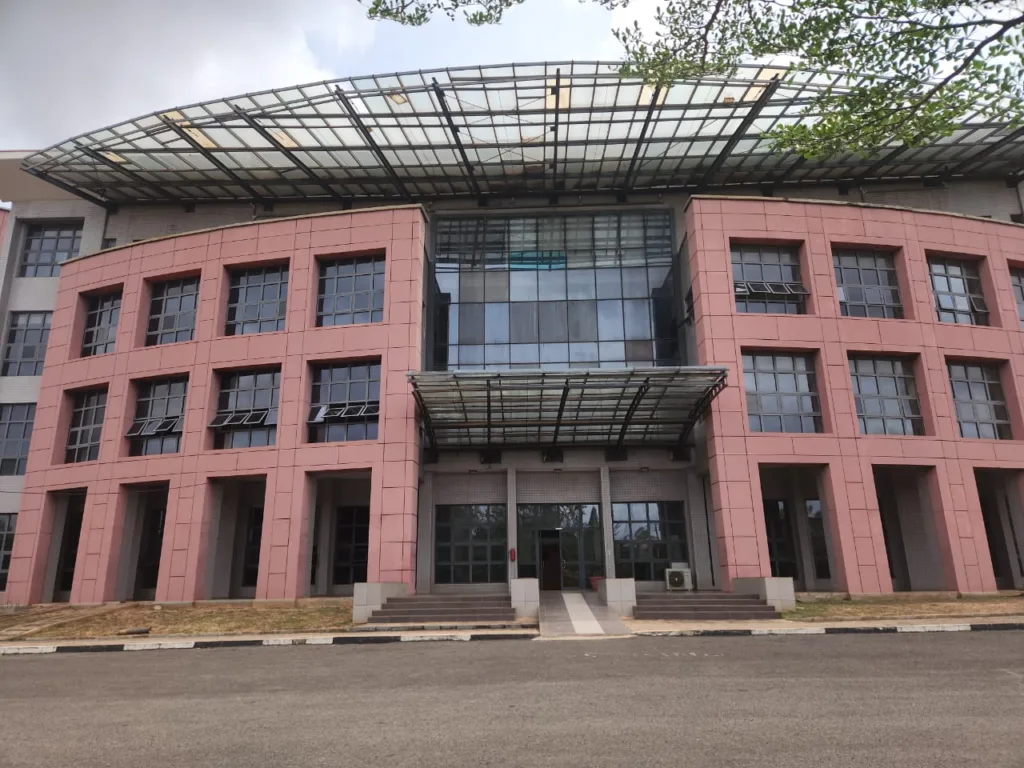
The main campus of the university is situated on the lush hills of Nsukka, a semi - urban town in present day Enugu state in South Eastern Nigeria. Nsukka is renowned for its unique weather, which sometimes mimics the temperate weather in coolness. The town is widely acclaimed as an ideal university town, which is free of the hustle and bustle typical of big cities, but quite accessible by road or air transport as the Akanu International Airport in Enugu is only one hour away.

The Enugu campus is located in Enugu, the capital city of Enugu state and houses the faculties of Business Administration, Law and Environmental Studies.
The faculties of Medicine, Dentistry and Health Sciences and Technology are located at the third campus at Ituku Ozalla - about 15 kilometers from the city of Enugu. The fourth campus, dedicated to the study of Nigerian languages, is situated a few kilometres off the commercial city of Aba in Abia State.

UNN has grown by leaps and bounds since its inception 50 years. The student population has grown from 220 in 1960 to over 35,000, while the academic staff strength has grown from about 100 in 1960 to over 1,700. Similarly, the number of departments has grown from 6 in 1960 to 106 (in addition to 5 sub-departments), all contained within 16 faculties in contrast to the 2 faculties that existed at inception. In addition, there are 10 semi-autonomous institutes and research centres, a school of postgraduate studies and a school of general studies. The number of campuses has also grown from just one (Nsukka Campus) in 1960 to four, namely, Nsukka, Enugu, Ituku-Ozalla and Aba campuses.

I wish you a fruitful tour of the pages of the UNN website. They reveal our past, present and the future for which we are truly proud.

Professor B. N. OKolo
Vice Chancellor