- Home
- Academics
- Admission
- Faculties
- Faculty of Agriculture
- Faculty of Arts
- Faculty of Basic Medical Sciences
- Faculty of Biological Science
- Faculty of Business Administration
- Faculty of Dentistry
- Faculty of Education
- Faculty of Engineering
- Faculty of Environmental Studies
- Faculty of Health Sciences
- Faculty of Law
- Faculty of Medicine
- Faculty of Pharmaceutical Science
- Faculty of Social Science
- Faculty of Physical Science
- Faculty of Veterinary Medicine
- Faculty of Vocational Technical Education
- Institutes
- Centers
- Centre for American Studies
- Centre for Basic Space Research
- Curriculum Development and Instructional Materials
- CEMAC
- Centre for Igbo Studies
- Resource and Environmental Policy Research Centre, Environment for Development (REPRC-EfD)
- View More…
- Centre for Energy Research and Development
- Centre for Entrepreneurial and Development Research
- Centre for Rural Development and Co-operatives
- Centre for Technical and Vocational Education, Training and Research
- VIEW MORE…
- CRDC
- Distance Learning Programme
- UNN Consult
- YOUTH FRIENDLY RESOURCE CENTRE
- ACESPED UNN
- Vaccine Research Centre
- READ MORE…
- Biotech Centre
- Space Centre
- Computing Centre
- Equipment Centre
- Medical Centre
- Youth Friendly Centre
- Climate Change
- VIEW MORE…
- Information & Communication Technology Centre
- Energy Research Centre
- Resource & Environmental Policy Research Centre
- Directorate of Strategic Contacts, Ethics & Publications
- Gender & Development Policy Centre
- VIEW MORE…
- Administration
- Libraries
- Campuses
- Registry
- Alumni
- CDeL
- Open Edu.Res.
- ICT Center
- MPA
- News
- Portal
- General Information
- Students
- UNN Portal
- E-Learning MOODLE
- Student Union
- Postgraduate School
- Security Hotlines
- CDeL
- Unicorps
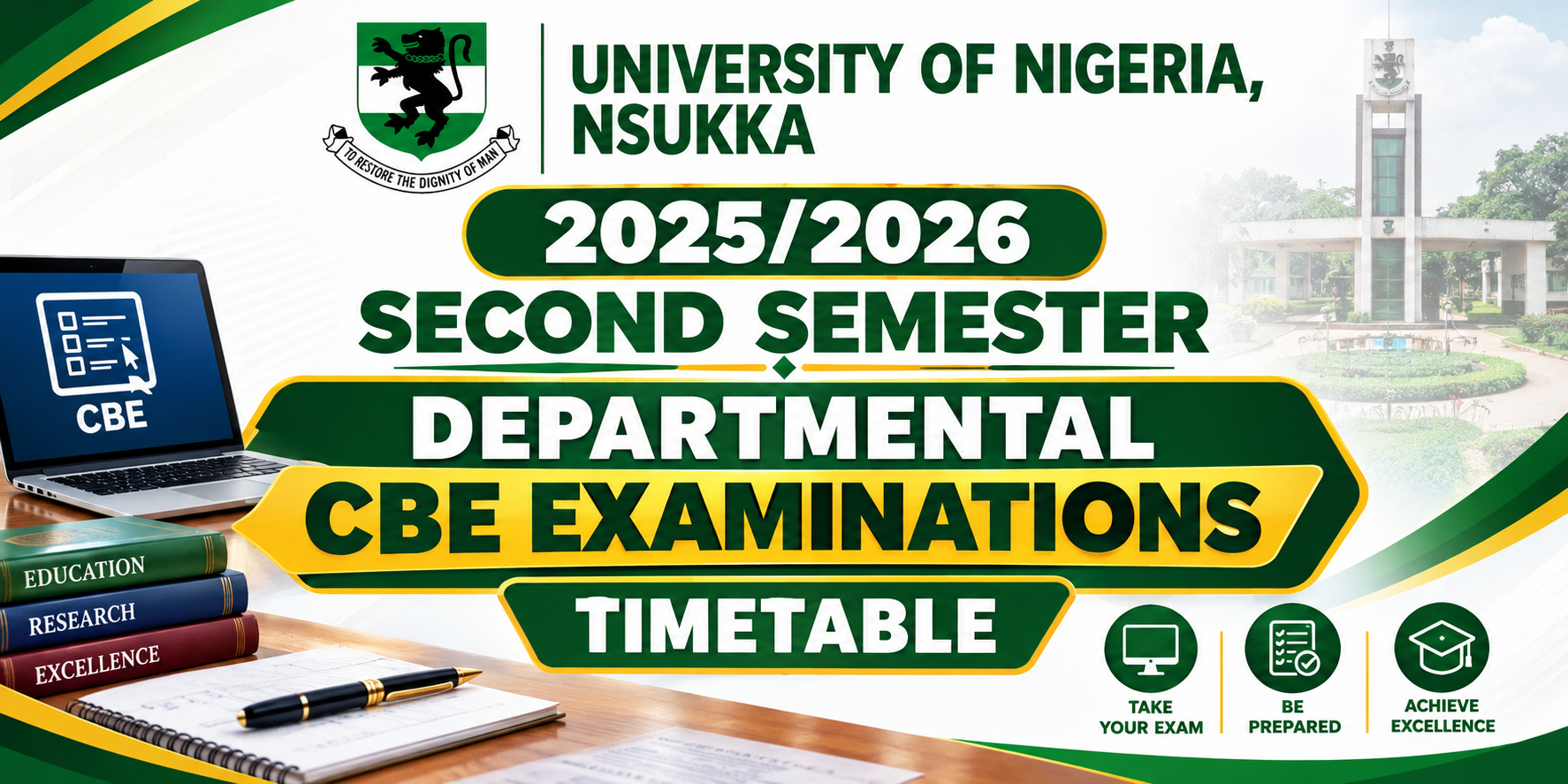
- CBT Exam Time Table
- Campus Life
- Students Population
- Prospective Students
- iTranscript
- UNN Online School
- FAQ
- Open Edu. Resources
- Foreign Students
- Religious Groups
- View Registered Courses
- CBN-CPP Advertisement Admission
- Staff
- College of Postgraduate Studies
- Our Youtube
- UNN Mart
- TETFund Intervention
- Special Intervention
- Annual Intervention
- 2025 Tetfund Projet Allocation
- Physical Infrastructure/Program Upgrade
- Academic Staff Training and Development
- Library Development
- Conference Attendance
- Teaching Practice
- Institution Based Research
- ICT Support
- Academic Research Journal
- TETFund Project Maintenance
- Equipment Fabrication
- Entrepreneurship
- Academic Manuscript Development
- Giving/Donations
- Enterprises
- FAQs
- UNN Mail
- ResearchGate
- Contacts







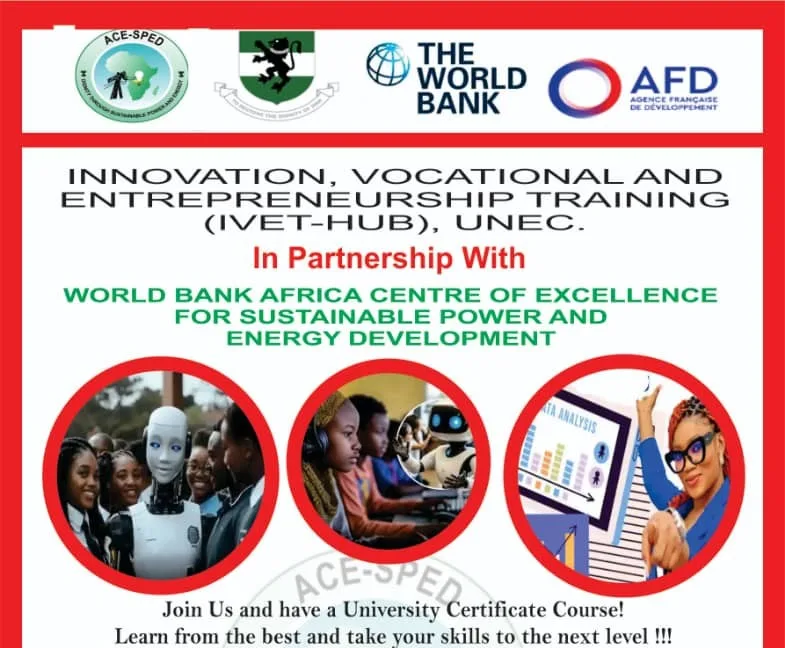
Innovation, Vocational and Entrepreneurship Training
Program: Innovation, Vocational and Entrepreneurship Training (IVET-HUB), UNEC Partnership: World Bank Africa Centre of Excellence for Sustainable Power and Energy

UNEC SKILL-UP 2026
Skill-up 2026 ICT UNEC will be holding a six weeks ntensive training for JSS3 students on the use of Video

University of Nigeria, Nsukka (UNN)
The University of Nigeria, Nsukka (UNN), in collaboration with eLearnLXD, is pleased to announce the launch of its Online Master



MTH 208 CB EXAM BATCHES 7:30 AM MONDAY 5TH OCTOBER 2026
 October 2, 2026
 October 2, 2026
MTH 208 CB EXAM BATCHES
MTH _208_ 2025_-2026 _SECOND_ SEMESTER_ CB _EXAM _ BATCHES_ 7 30_.AM._MONDAY_5TH _OCTOBER_2026 _ UNN_LIBRARY
MTH 208 CB EXAM BATCHES
MTH _208_ 2025_-2026 _SECOND_ SEMESTER_ CB _EXAM _ BATCHES_ 7 30_.AM._MONDAY_5TH _OCTOBER_2026 _ UNN_LIBRARY